
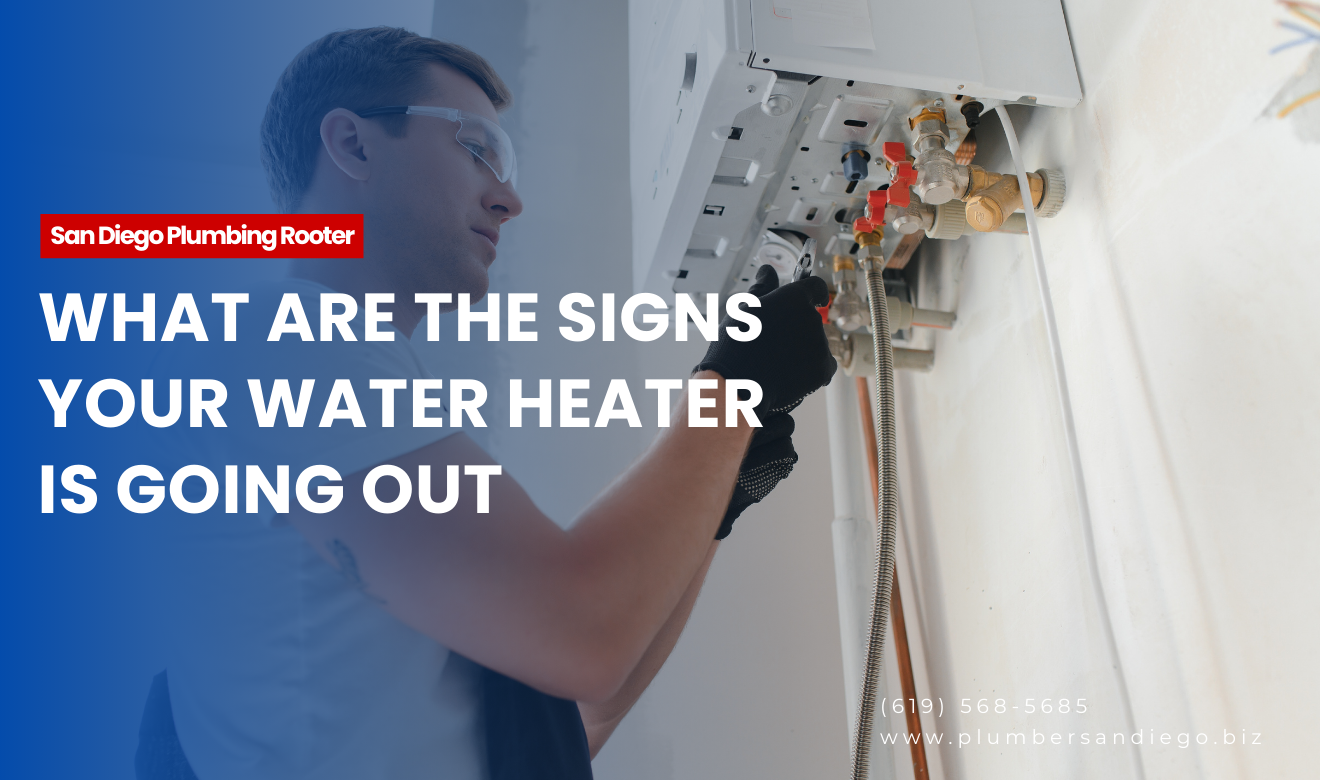
Wondering if your water heater is on its last legs? One of the most common signs is strange noises coming from the tank. So, why does water heater make noise before failing? These sounds usually indicate a buildup of sediment at the bottom of the tank. As water heats, the sediment hardens and causes popping, cracking, or rumbling noises. This buildup forces the heater to work harder, leading to overheating and potential damage. Other signs include inconsistent water temperature, rusty hot water, water pooling around the base, or a significant drop in water pressure. If you notice any of these, it might be time to replace your unit before you’re left with cold showers.
Why Does a Water Heater Make Noise Before Failing?
If you’ve recently asked yourself, “why does water heater make noise before failing?”, you’re not alone. Many homeowners notice strange sounds—like popping, banging, crackling, or rumbling—from their water heaters just before they break down. These noises are often the result of sediment buildup, and they serve as an early warning that your water heater may need repair or replacement.
Common Causes of Water Heater Noises
1. Sediment Buildup
The most common answer to why does water heater make noise before failing is sediment buildup. Over time, minerals like calcium and magnesium from hard water settle at the bottom of the tank. When the burner heats water, it must work through this layer of sediment. This can cause popping and crackling sounds as steam builds up under the sediment and bursts through.
2. Heating Element Issues
In electric water heaters, a damaged or malfunctioning heating element can cause high-pitched whining or humming noises. As the element struggles to heat through sediment or mineral crust, it makes more noise and uses more power.
3. Water Hammering
If you hear loud banging sounds, sometimes called “water hammer,” it could mean that water is abruptly stopping or changing direction in your pipes. This can stress your plumbing system and even cause leaks over time.
4. Loose Components
Rattling or ticking noises may be caused by loose parts inside the tank, such as heating elements or connections. While this isn’t always serious, it’s important to get it checked before it leads to larger issues.
5. Scale on Burners
Gas water heaters may develop scale on the burner, which can restrict proper flame distribution and airflow. This creates uneven heating, which in turn creates noise and reduces efficiency.
Signs Your Water Heater Is About to Fail
Besides unusual noises, there are several other red flags that your water heater may be nearing the end of its life:
- Fluctuating or inconsistent water temperatures
- Hot water smells metallic or looks rusty
- Decreased water pressure throughout the home
- Visible leaks or pooling water around the base of the tank
- Frequent tripping of circuit breakers (for electric models)
What Happens If You Ignore the Noises?
Failing to address strange sounds from your water heater can lead to:
- Overheating and system breakdown
- Component failure due to stress
- Leaks that can cause water damage
- Increased energy bills from inefficiency
Ultimately, ignoring these signs can lead to unexpected system failure, which is inconvenient and often more costly than a planned replacement.
What To Do If Your Water Heater Is Making Noise
Flush the Tank
Try flushing the tank to remove sediment. This should be part of regular maintenance once or twice a year, especially if you live in an area with hard water.
Schedule a Professional Inspection
If flushing doesn’t resolve the issue, it’s time to call a licensed plumber. They can determine whether repairs or a full replacement is necessary. For severe sediment issues, a hydrojetting service might help clear mineral buildup efficiently.
Upgrade to a New Water Heater
If your heater is more than 10-15 years old and making noise, it’s likely more efficient to upgrade to a new model. Modern water heaters offer improved energy efficiency and safety features.
Preventive Maintenance Tips
You can extend the life of your water heater and prevent odd noises by following these tips:
- Flush the tank annually to reduce sediment buildup
- Install a water softener if you live in a hard water area
- Schedule regular professional inspections
- Replace the anode rod every 3-5 years to prevent corrosion
- Check for leaks and connections monthly
Preventative care is one of the easiest ways to avoid asking, “why does water heater make noise before failing?” in the future.
When to Replace Instead of Repair
| Condition | Repair or Replace? | Reason |
|---|---|---|
| Less than 8 years old, minimal noise | Repair | Can likely resolve via flushing or part replacement |
| Multiple repairs done, frequent noise | Replace | Costs add up over time—replacement is more efficient |
| Visible rust and sediment buildup | Replace | System failure likely imminent |
| 10–15 years old, energy inefficient | Replace | Upgrade for efficiency and peace of mind |
If you’re unsure whether to repair or replace, contact a plumbing professional who offers water heater services for a proper evaluation.
Additional Plumbing Issues to Watch For
Sometimes, strange noises from a water heater coincide with other plumbing issues. If you notice recurring clogs, backups, or slow drains, it may be time to check your entire plumbing system. Explore related concerns like drain maintenance to ensure your system operates at its best.
Experience Matters in Plumbing Repair
When you experience unusual water heater noises, it’s tempting to dismiss them as normal wear. But the question, “why does water heater make noise before failing?” should never go unanswered. These sounds typically signal deeper issues that, if not addressed promptly, can lead to complete failure, higher energy bills, or even water damage. Whether it’s a quick fix or a full replacement, calling professionals who understand the intricacies of modern plumbing systems—backed by years of hands-on experience—can save you time, money, and stress.
For more information about plumbing systems and their general function, check out this comprehensive resource on plumbing.
Your Water Heater’s Whisper May Be Its Cry for Help
To wrap up, keep in mind that strange noises are your water heater’s way of communicating with you. Understanding why does water heater make noise before failing can help you act swiftly before you’re stuck with a freezing cold shower or a major home repair. Regular maintenance, early inspections, and professional help can go a long way in keeping your system silent, efficient, and safe. Don’t wait for a full failure—your future self (and your water bill) will thank you.
Frequently Asked Questions
Hear That? Your Water Heater Might Be Sending an SOS
Don’t let those strange noises turn into a costly disaster. If your water heater sounds more like a popcorn maker than a quiet utility, it’s time to act. Whether you’re dealing with sediment buildup, heating issues, or just want peace of mind, the experts at San Diego Plumbing Rooter are here to help. Schedule an inspection today before your hot water runs out at the worst time.


